 The Psychic Studio
The Emperor tarot card meaning is structure with a purpose. This card points to authority, boundaries and the kind of order that helps people know where they stand. It can appear when a plan needs a clear owner, when a rule needs to be respected or when stability matters more than a quick reaction.
The Emperor does not promise control over every outcome. Tarot is a reflective tool, not proof that a person or plan will succeed. The card asks a practical question: what structure would make this situation safer, clearer or easier to carry?
What The Emperor shows
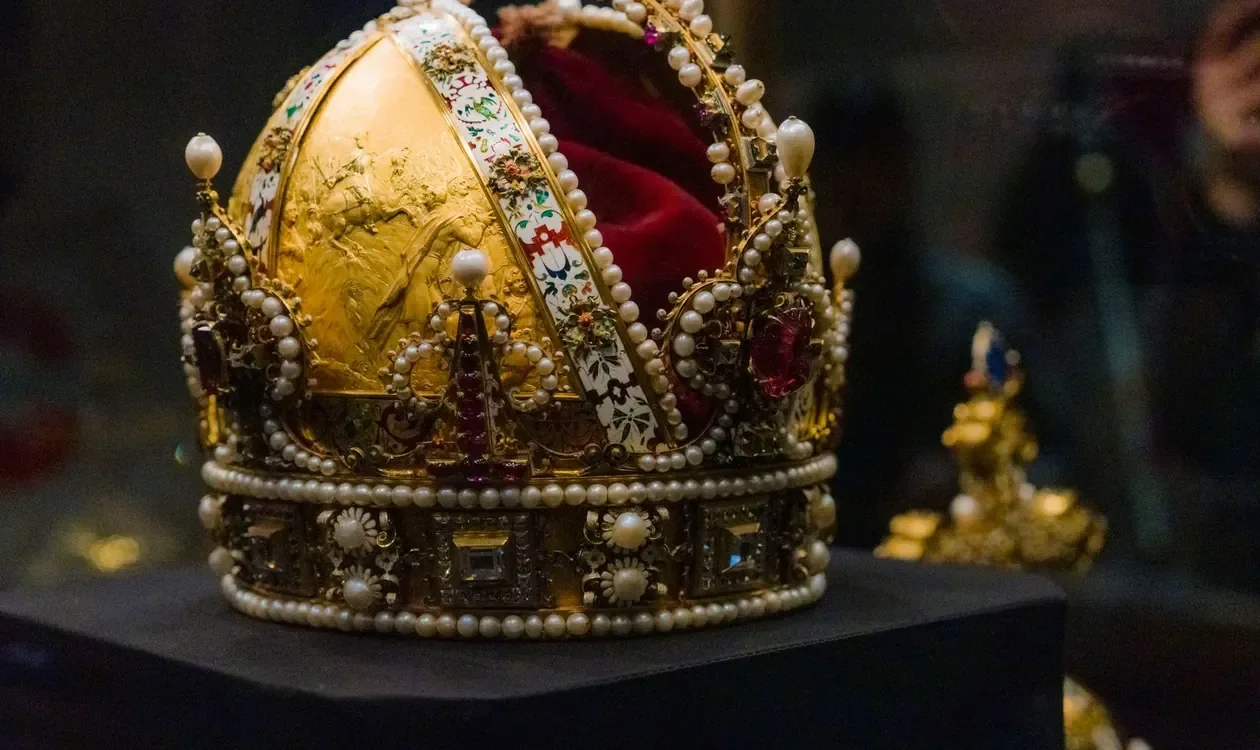
In the Rider-Waite-Smith image, The Emperor sits on a stone throne decorated with ram heads. He wears armor beneath his robe and holds symbols of authority. Mountains rise behind him. The scene is firm, dry and ordered.
The throne suggests stability. The armor shows readiness to defend what matters. The mountains can point to endurance, while the ram heads connect the card with Aries energy: direct, forceful and willing to lead. The picture is not warm in the way The Empress is warm. Its care comes through protection, planning and responsibility.
For the broader card symbolism, see The Emperor card guide. For the softer side of control, read The Emperor reversed.
The Emperor upright
Upright keywords include authority, structure, discipline, protection and leadership. This card often appears when the useful move is to make things explicit. Who is responsible? What is the rule? What happens next?
The Emperor can also point to a person who values reliability. They may show care by keeping promises, defending boundaries or building something that lasts. In a reading, look for the difference between healthy authority and control that leaves no room for other people.
A good Emperor structure gives everyone more freedom because the basics are handled. A weak version uses rules to avoid listening.
The Emperor in love
In love, The Emperor can represent commitment, steadiness and a wish to protect the relationship. It may appear when two people need clearer expectations about time, money, family or future plans.
It can also show a power imbalance. If one person makes every decision, stability can start to feel like pressure. A card cannot prove what a partner intends. Look at behavior: do both people get a voice? Can either person say no without punishment? Are promises matched by action?
For a different view of direction and shared effort, compare this card with The Chariot tarot card meaning. The Chariot moves. The Emperor holds the ground that makes movement possible.
The Emperor at work and with money
At work, this card often favors clear systems. Write the process down. Set the deadline. Name the decision maker. Check whether the budget supports the plan before committing to it.
The Emperor can be helpful when a project has energy but no shape. It is less helpful when the process becomes the point. If a rule protects quality or safety, keep it. If it only protects someone's status, question it.
With money, the card points to structure: a spending limit, a record of what is owed and a decision you can explain later. It does not guarantee income or a safe investment. For choices with legal or financial consequences, check the terms and use qualified advice.
The Emperor reversed
Reversed, The Emperor can show too much control, too little structure or frustration with authority. The question is not which label sounds most dramatic. The question is what is actually happening.
If a rule is rigid, ask what it was meant to protect and whether it still does that. If responsibilities are vague, ask what one clear agreement would fix. The card can also point to your own relationship with discipline: are you forcing yourself through a routine that no longer fits, or avoiding one that would help?
A practical Emperor reflection
Choose one area that feels unstable. Write down the rule, role or agreement that is missing. Keep it small enough to use this week: one budget check, one shared calendar, one person named as the owner of a decision.
Then write the boundary that protects your energy. The Emperor works best when structure and respect stay together. If you need a quieter card for inner authority, read The High Priestess tarot card meaning. For a wider view of the deck, visit the card meanings library.
FAQ
What does The Emperor tarot card mean?
The Emperor usually represents structure, authority, discipline and protection. It asks you to make responsibilities and boundaries clear.
Is The Emperor a good card?
It can be helpful when order is needed. Like every card, it has a difficult side: control, rigidity or rules that stop listening.
What does The Emperor mean in love?
It can point to commitment, stability or a need for clearer expectations. It can also highlight a power imbalance that needs an honest conversation.
What does The Emperor reversed mean?
Reversed, it often questions authority. The issue may be too much control, not enough structure or a rule that no longer serves its purpose.
Tarot is for entertainment and personal reflection, not medical, legal or financial advice.